THE ARCHIVE / ALL NOTESThe archive
never sleeps.
Every story is a piece of evidence: read slowly, placed in context and retold in the language of the present.
Browse by subject4 sections
30 field notes in the archive
Paleontology8 min read
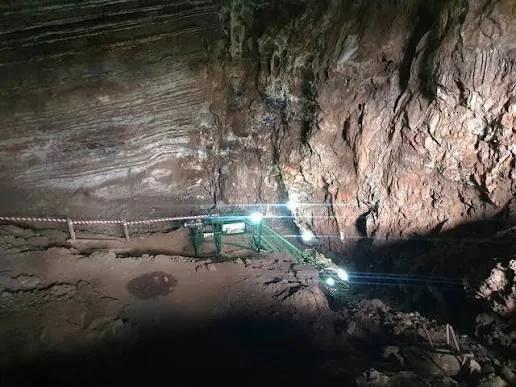
Gladysvale: South Africa's 2M-Year Hominin Cave is best read as a question about evidence. Gladysvale is a limestone cave system where fossil-bearing breccia, ancient sediments and the remains of animals meet in one difficult…
PaleoLore Editorial Desk2026-10-07
Read field note ↗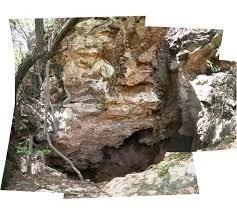
Paleontology8 min read
The most useful way to approach Gondolin: South Africa's Sabertooth Den is to slow down. Gondolin is a fossil locality in the Cradle of Humankind whose value lies in the ancient animal community preserved around the hominin…
PaleoLore Editorial Desk2026-10-07
Read field note ↗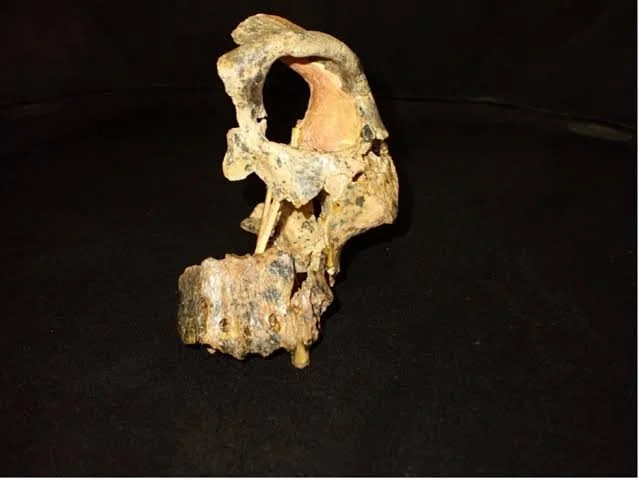
Paleontology8 min read
At first glance, Swartkrans: South Africa's Homo erectus Fire Use sounds like a single story. Swartkrans brings together cave sediments, hominin fossils, stone tools and the long-running question of how early people used…
PaleoLore Editorial Desk2026-10-07
Read field note ↗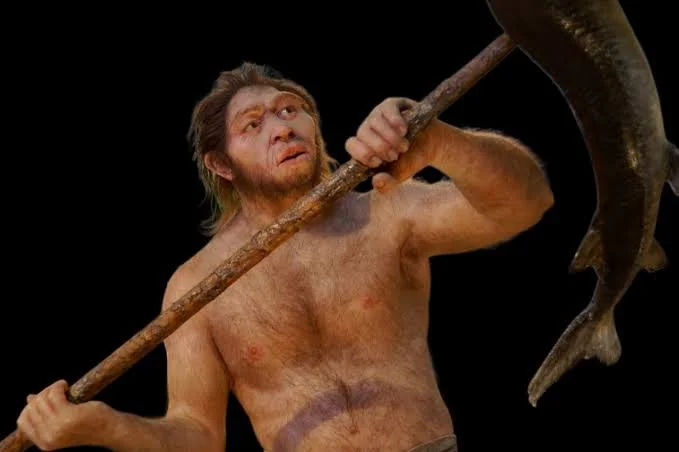
Paleontology8 min read
This field note begins with the place behind the headline. Drimolen is a fossil site where the diversity of early hominins can be examined through remains found in a tightly interpreted geological…
PaleoLore Editorial Desk2026-10-07
Read field note ↗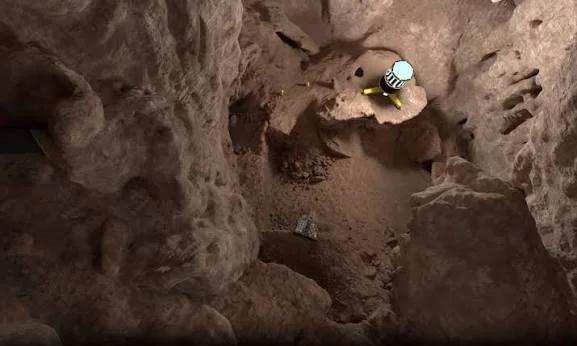
Paleontology8 min read
Rising Star Cave: South Africa's Homo naledi System belongs to a landscape where small traces carry long histories. Rising Star is both a fossil site and a logistical challenge: a deep cave system whose passages shaped what could be found and how it…
PaleoLore Editorial Desk2026-10-07
Read field note ↗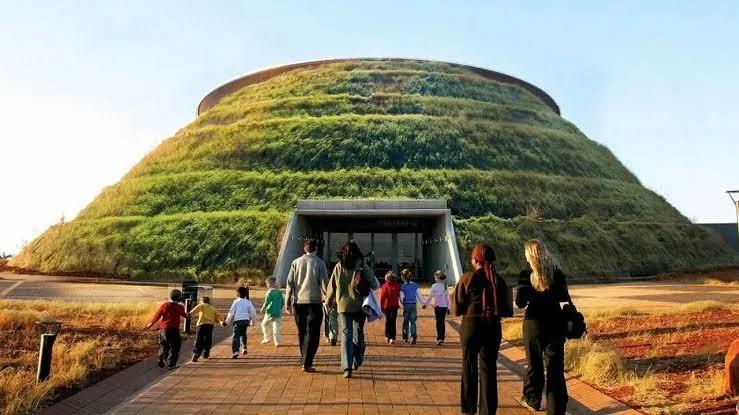
Latest Discoveries8 min read
Cradle of Humankind UNESCO Sites: 2026 New Finds is best read as a question about evidence. The Cradle of Humankind is best understood as a connected landscape of caves, quarries, laboratories and protected heritage…
PaleoLore Editorial Desk2026-10-04
Read field note ↗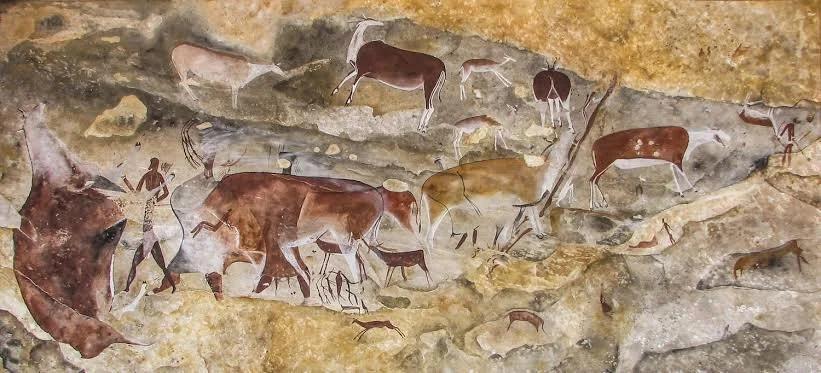
Archaeology's Greatest Finds8 min read
The most useful way to approach Magaliesberg Caves: South Africa's San Rock Art is to slow down. The Magaliesberg is a mountain landscape of ridges, shelters and routes where rock art is part of a much larger human…
PaleoLore Editorial Desk2026-10-04
Read field note ↗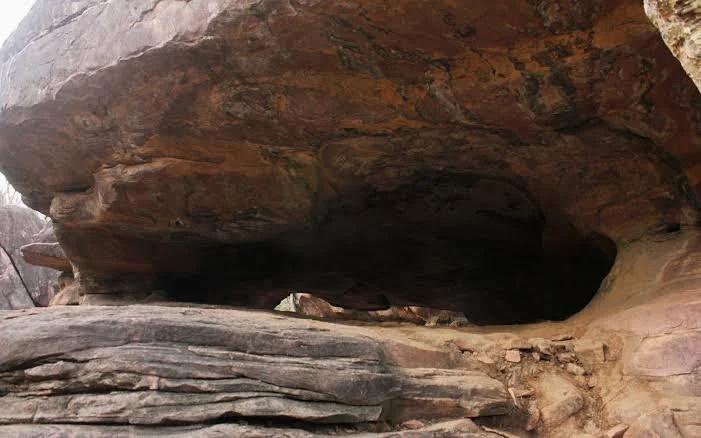
Archaeology's Greatest Finds8 min read
At first glance, Oakhurst Rockshelter: South Africa's Wilton Culture sounds like a single story. Oakhurst Rockshelter offers a long view of Later Stone Age life near George, where repeated visits left tools, food remains and human traces in the same…
PaleoLore Editorial Desk2026-10-04
Read field note ↗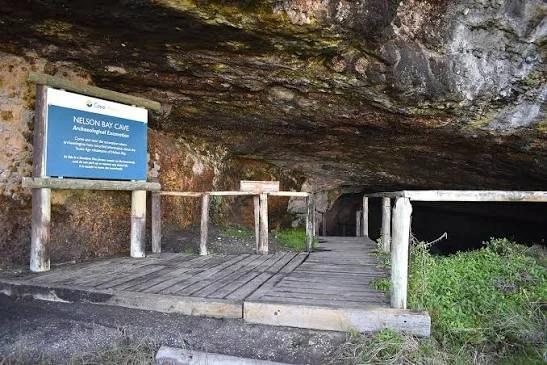
Paleontology8 min read
This field note begins with the place behind the headline. Nelson Bay Cave sits on the Robberg Peninsula, where the archaeology of a coastal cave records both technology and a changing relationship with the…
PaleoLore Editorial Desk2026-10-04
Read field note ↗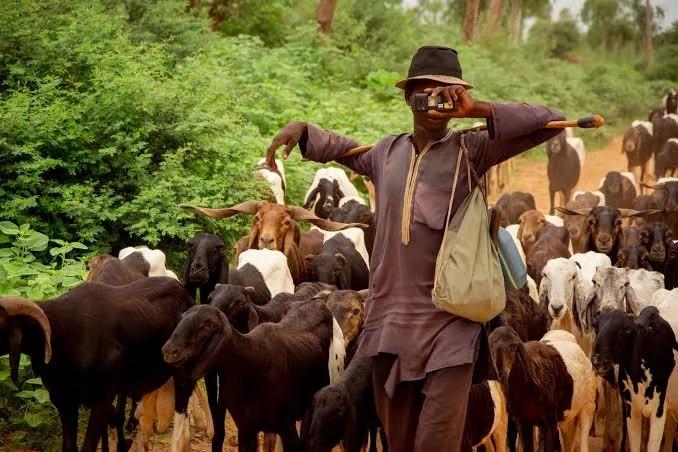
Archaeology's Greatest Finds8 min read
Byneskranskop: South Africa's Pastoralist Transition belongs to a landscape where small traces carry long histories. Byneskranskop 1 is useful for thinking about transition: how hunter-gatherer lifeways and livestock economies met in the Western…
PaleoLore Editorial Desk2026-10-04
Read field note ↗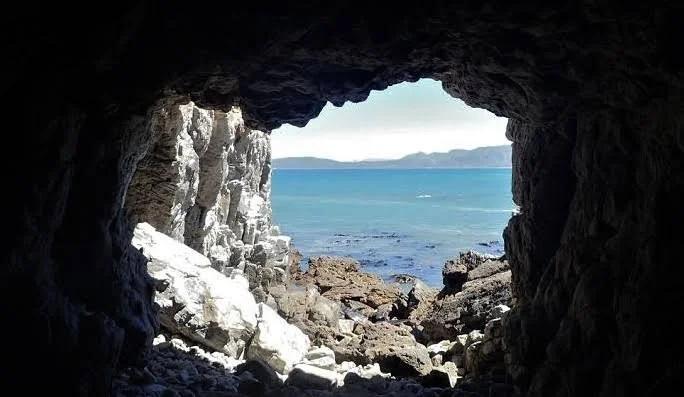
Paleontology8 min read
Die Kelders: South Africa's Middle Stone Age Cave is best read as a question about evidence. Die Kelders overlooks Walker Bay and preserves a coastal record that reaches into the Middle Stone…
PaleoLore Editorial Desk2026-10-04
Read field note ↗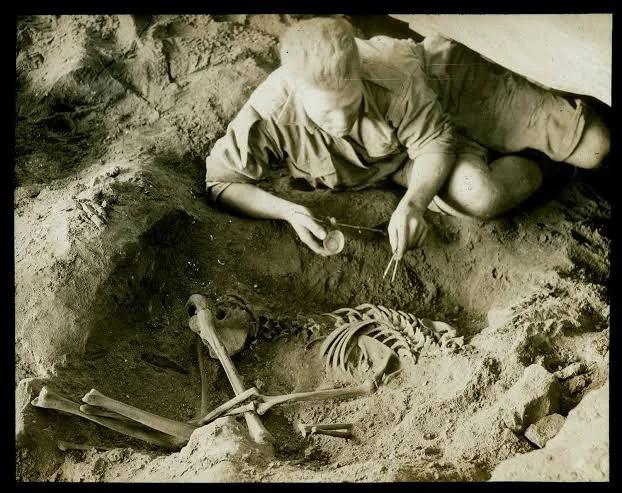
Paleontology8 min read
The most useful way to approach Peers Cave: South Africa's 15,000-Year Burials is to slow down. Peers Cave is a Later Stone Age site where burial evidence brings questions of care, memory and archaeological context into…
PaleoLore Editorial Desk2026-10-04
Read field note ↗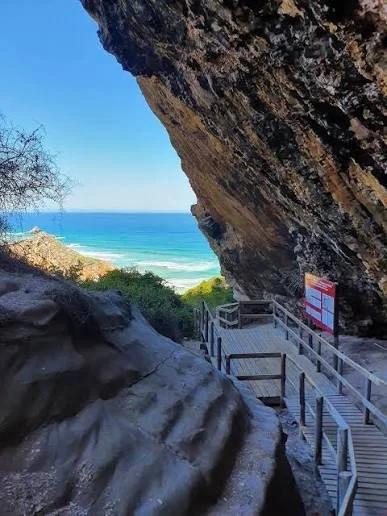
Archaeology's Greatest Finds8 min read
At first glance, Matjes River Rockshelter: South Africa's Shellfish Midden sounds like a single story. Matjes River Rockshelter records a coastal economy through the remains people left behind after collecting and eating marine…
PaleoLore Editorial Desk2026-10-04
Read field note ↗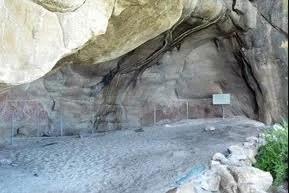
Archaeology's Greatest Finds8 min read
This field note begins with the place behind the headline. Elands Bay Cave is valuable because its long sequence connects Middle Stone Age and Later Stone Age occupation on the Western Cape…
PaleoLore Editorial Desk2026-10-04
Read field note ↗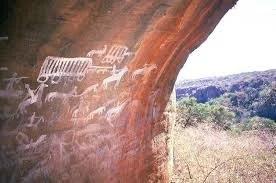
Archaeology's Greatest Finds8 min read
Faraone Shelter: South Africa's Rock Engravings belongs to a landscape where small traces carry long histories. Faraone Shelter belongs to a tradition of southern African rock engravings made by pecking, cutting or abrading designs into…
PaleoLore Editorial Desk2026-10-04
Read field note ↗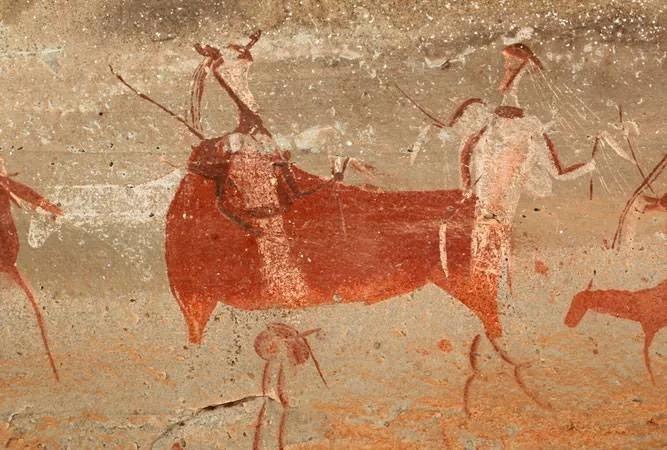
Archaeology's Greatest Finds8 min read
Barkly East Rock Art: South Africa's Freehand Paintings is best read as a question about evidence. Barkly East places freehand rock paintings within a highland landscape of sandstone, river valleys and open…
PaleoLore Editorial Desk2026-10-04
Read field note ↗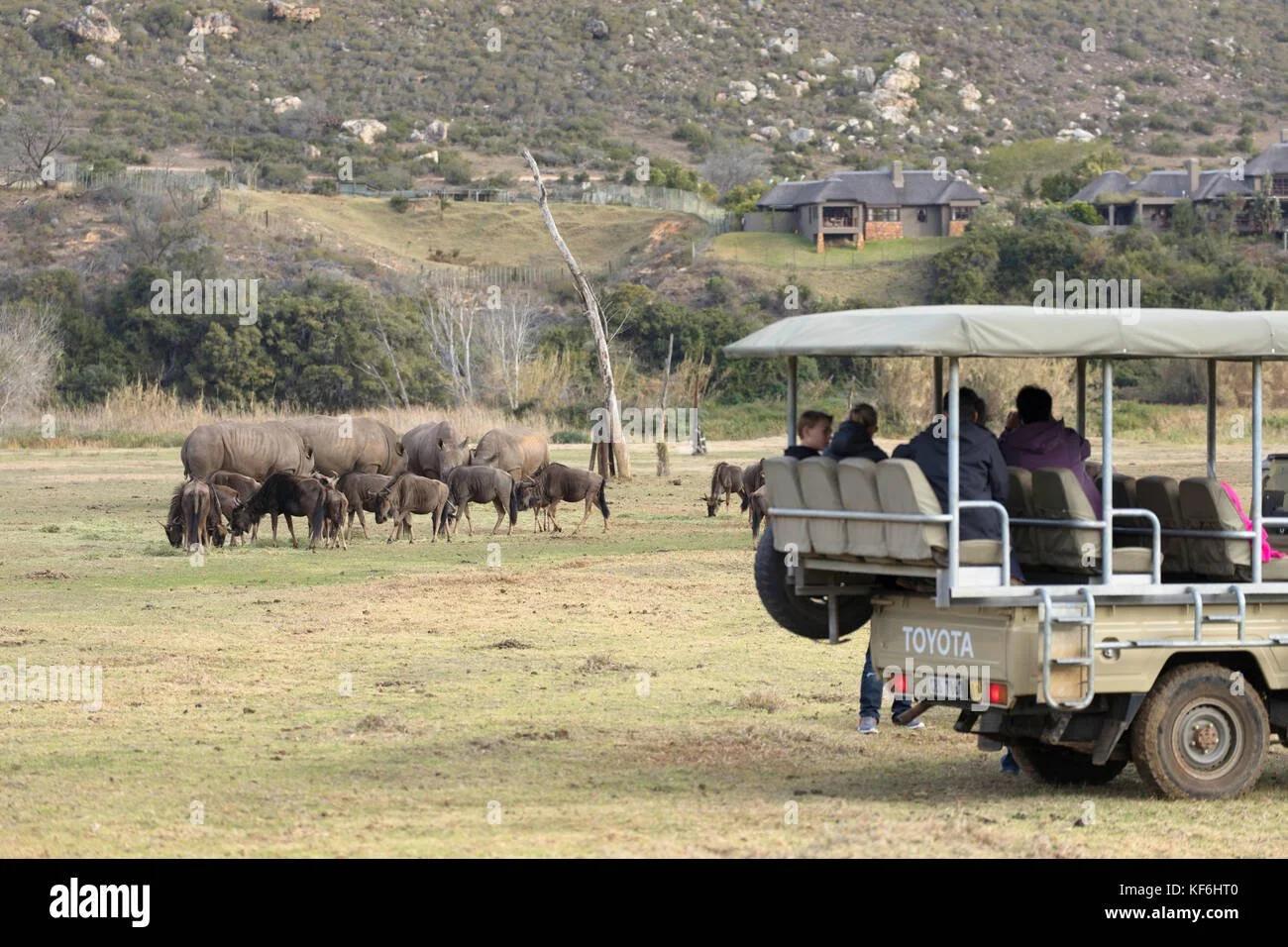
Archaeology's Greatest Finds8 min read
The most useful way to approach Wildebeestkuil: South Africa's Game Drive Traps is to slow down. Wildebeestkuil near Kimberley is known for engraved rock surfaces and for the heritage work that makes Indigenous history visible to…
PaleoLore Editorial Desk2026-10-04
Read field note ↗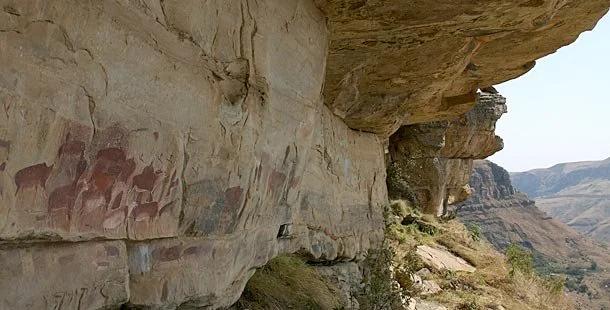
Archaeology's Greatest Finds8 min read
At first glance, Drakensberg San Art: South Africa's 4,000-Year Scenes sounds like a single story. The Drakensberg holds one of southern Africa’s richest concentrations of San rock art, spread across shelters beneath dramatic sandstone…
PaleoLore Editorial Desk2026-10-04
Read field note ↗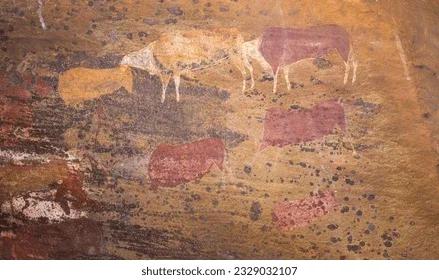
Archaeology's Greatest Finds8 min read
This field note begins with the place behind the headline. Giant’s Castle is a mountain archive where painted eland and human figures sit within a wider network of San shelters in…
PaleoLore Editorial Desk2026-10-04
Read field note ↗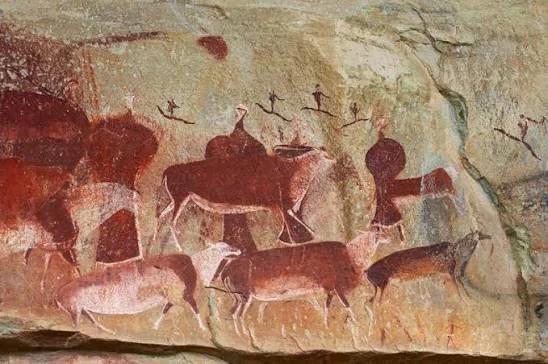
Archaeology's Greatest Finds8 min read
Kamberg Rock Art: South Africa's Shaman Scenes belongs to a landscape where small traces carry long histories. Kamberg is known for San rock art and for scenes that have often been discussed through the language of trance, healing and spiritual…
PaleoLore Editorial Desk2026-10-04
Read field note ↗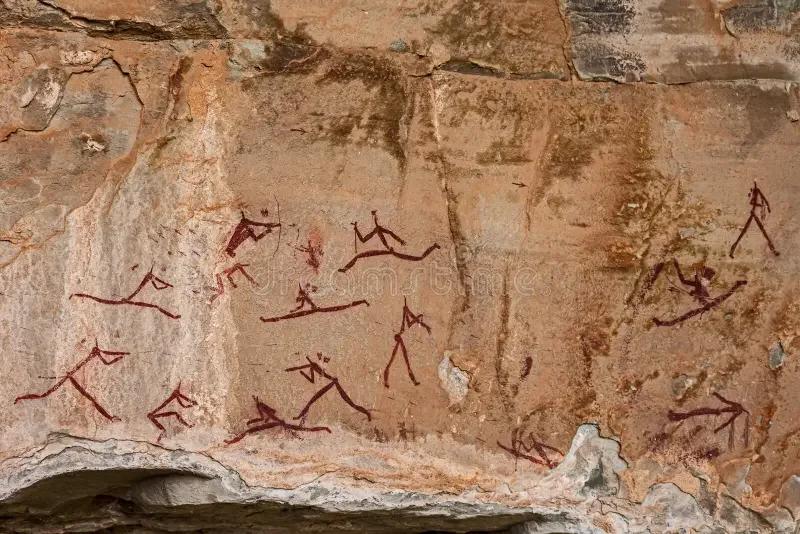
Archaeology's Greatest Finds8 min read
Main Caves: South Africa's Battle Paintings is best read as a question about evidence. Main Caves in the Giant’s Castle area contains San paintings that have sometimes been described as scenes of conflict or…
PaleoLore Editorial Desk2026-10-04
Read field note ↗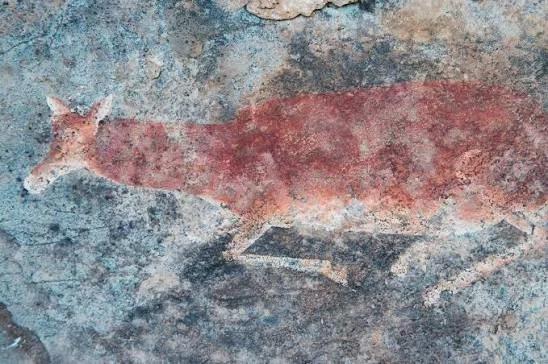
Archaeology's Greatest Finds8 min read
The most useful way to approach Didima: South Africa's Mythological Figures is to slow down. Didima’s rock art includes figures whose human and animal qualities have encouraged discussion of mythology and…
PaleoLore Editorial Desk2026-10-04
Read field note ↗
Archaeology's Greatest Finds8 min read
At first glance, Injisuthi: South Africa's Procession Friezes sounds like a single story. Injisuthi is a Drakensberg landscape where long arrangements of painted figures can create an impression of movement across the shelter…
PaleoLore Editorial Desk2026-10-04
Read field note ↗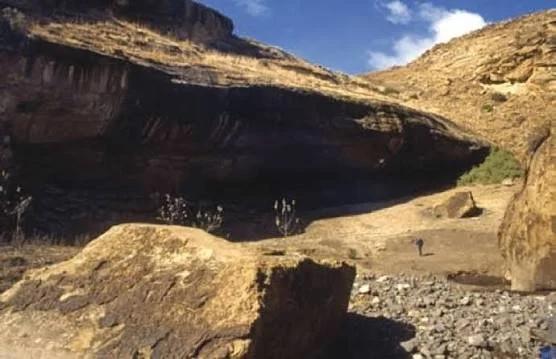
Latest Discoveries8 min read
This field note begins with the place behind the headline. Sehonghong Shelter is part of Lesotho’s highland record of occupation, technology and rock art across a demanding mountain…
PaleoLore Editorial Desk2026-10-04
Read field note ↗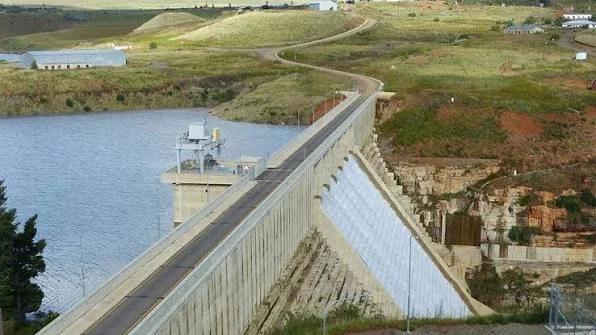
Latest Discoveries8 min read
Metolong Dam Sites: Lesotho's Iron Age Villages belongs to a landscape where small traces carry long histories. The Metolong Dam investigations show why archaeology before construction is essential: development can threaten sites while also creating the…
PaleoLore Editorial Desk2026-10-04
Read field note ↗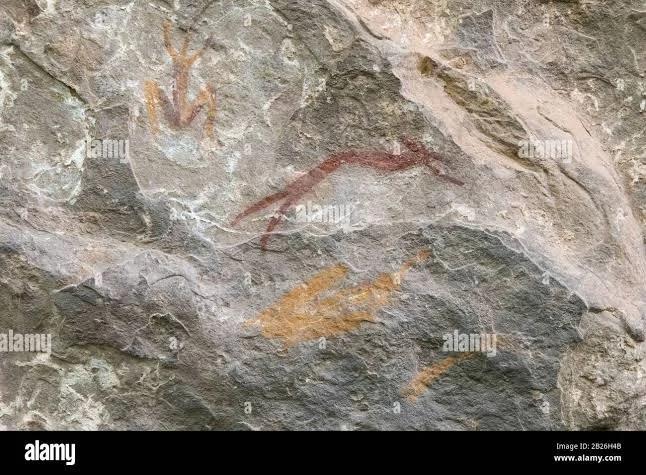
Latest Discoveries8 min read
Liphofung Cave: Lesotho's San Paintings is best read as a question about evidence. Liphofung Cave is a northern Lesotho shelter where San paintings meet a landscape of routes, water and highland…
PaleoLore Editorial Desk2026-10-04
Read field note ↗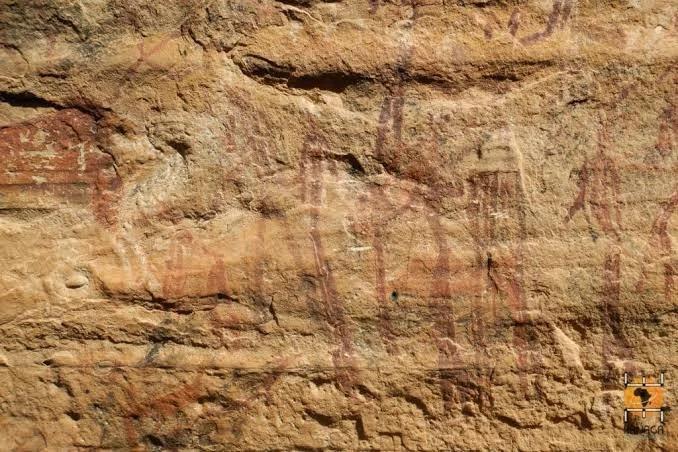
Latest Discoveries8 min read
The most useful way to approach Quthing District: Lesotho's Rock Engravings is to slow down. Quthing District’s valleys and rocky slopes form a highland setting in which engraved surfaces preserve traces of repeated human…
PaleoLore Editorial Desk2026-10-04
Read field note ↗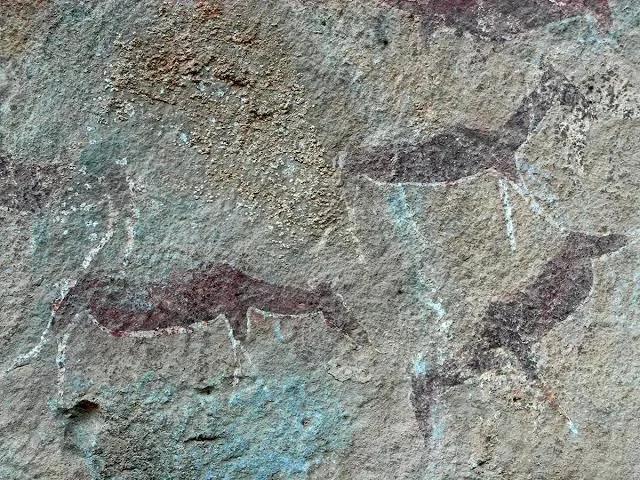
Latest Discoveries8 min read
At first glance, Moyeni Rock Art: Lesotho's Hunter Scenes sounds like a single story. Moyeni is associated with a recurring subject in southern African rock-art research: people and animals arranged around the idea of…
PaleoLore Editorial Desk2026-10-04
Read field note ↗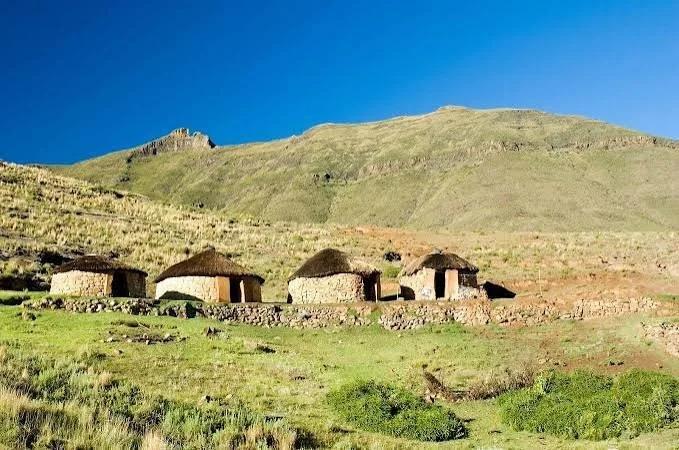
Latest Discoveries8 min read
This field note begins with the place behind the headline. Maseru District sits at a meeting point of lowland routes and highland approaches, a setting where different economies and artistic traditions could…
PaleoLore Editorial Desk2026-10-04
Read field note ↗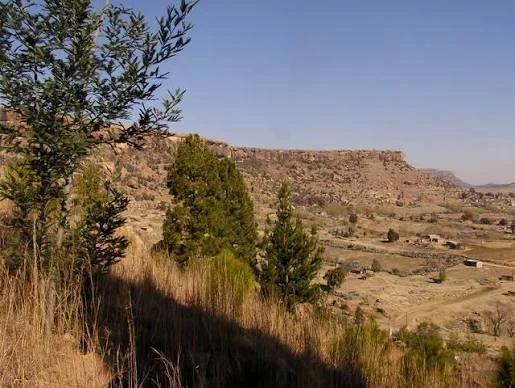
Latest Discoveries8 min read
Thaba Bosiu: Lesotho's Moshoeshoe Fortress belongs to a landscape where small traces carry long histories. Thaba Bosiu is a flat-topped sandstone plateau whose cliffs, routes and water sources helped shape the history of the Basotho…
PaleoLore Editorial Desk2026-10-04
Read field note ↗