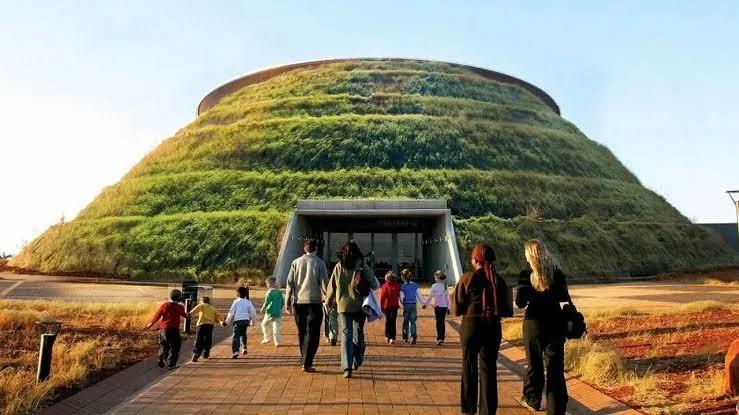
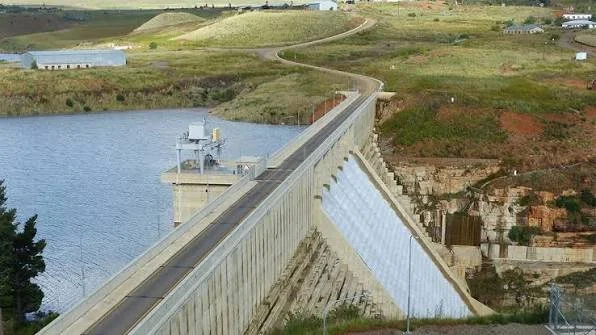
Metolong Dam Sites: Lesotho's Iron Age Villages belongs to a landscape where small traces carry long histories. The Metolong Dam investigations show why archaeology before construction is essential: development can threaten sites while also creating the resources to study them.
The question behind the headline
Every field note in this archive is an invitation to look beneath the label and ask how the record was made, preserved and interpreted. The central record is this: Surveys and excavations in the project area documented Iron Age settlement traces and the material patterns of village life in western Lesotho. That distinction matters because archaeological meaning is built from relationships, not from a headline object lifted out of its setting. A site becomes historically important not because one object is impressive in isolation, but because several kinds of evidence can be placed into a relationship. The title gives us a doorway; the deposit, landscape and research method tell us how far we can responsibly walk.
What survives in the archive
At Metolong Dam Sites: Lesotho's Iron Age Villages, the useful record is made from walls, hearths, tools, ceramics, metal, food remains, routes and the spaces in which people worked or sought protection. The central record is this: Surveys and excavations in the project area documented Iron Age settlement traces and the material patterns of village life in western Lesotho. That distinction matters because archaeological meaning is built from relationships, not from a headline object lifted out of its setting. This is why archaeologists resist the temptation to treat a photograph, a memorable date or a famous label as the whole story. Material evidence is selective. Some things survive because they are hard, heavy or protected; other things disappear because they decayed, moved or were never collected.
The distinction between observation and interpretation matters here. A researcher may be able to describe a surface, a layer, a tool edge, a bone break or the position of a structure. The next sentence—what that trace means—requires comparison. It may draw on similar sites, experimental work, environmental reconstruction, oral history or the history of previous excavations. A strong article keeps those steps visible to the reader.
How the evidence is read
The central method for this field note is not a single test. It is combining mapping, excavation, oral history, documentary evidence and material study while keeping the sequence of occupation visible. To read the site responsibly, researchers need more than a photograph. Rescue archaeology combines mapping, excavation, sampling and reporting before a reservoir changes the landscape. The work is often slow—measuring layers, checking associations and comparing fragments with evidence from nearby places—but that slowness is what keeps an attractive interpretation from becoming a false certainty. Each method answers a different question. Dating can place a layer in time, but it cannot by itself explain behaviour. Anatomy can identify a specimen, but it cannot automatically identify its maker. A map can show movement and access, but it cannot recover every motive.
Fieldwork also produces its own record: measured drawings, photographs, sample numbers, notebooks, laboratory results and decisions about what to preserve. Those records allow later researchers to revisit an interpretation. They are less visible than a discovery photograph, but they are what turn a claim into research that can be checked.
The landscape is part of the evidence
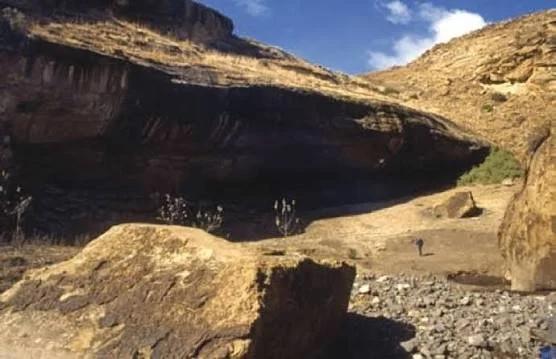
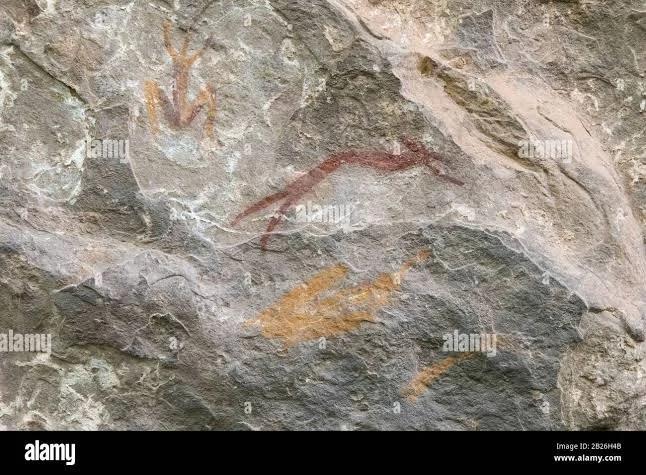
The surrounding landscape adds another layer. A cave, shelter, plateau or painted wall was not a neutral container; it shaped where people moved, what could be preserved and what later researchers are able to see. Comparing this place with nearby sites can reveal whether a pattern is local, regional or part of a much longer tradition. The surrounding place is not a decorative background. It shaped where people could travel, where water and food were available, what could be seen, and what could be protected. A cave entrance, shelter wall, valley route or plateau may also have changed through time, so the modern view is not automatically the ancient view.
This wider scale helps explain why neighbouring sites matter. One locality may preserve a tool, another a food signal, another a painted surface or a burial. Put together, they can reveal a pattern that no single excavation can carry. The comparison must remain careful, because similarities can have different causes and gaps in the record are real.
Time is a range, not a slogan
Dates give the story a framework, but they should not be used as decorative numbers. A date may belong to a sediment layer, a charcoal sample, a burial, a tool tradition or a phase of painting. Those are related but not interchangeable. The responsible question is always: what exactly was dated, how securely was it associated with the evidence, and what uncertainty remains?
This is especially important when a site is described with a rounded age or a cultural label. Such language can help readers find the story, yet it can also make a complex sequence sound more precise or more uniform than it was. There is also a limit to what the record can say. A project archive is shaped by time and access, so it records what could be investigated rather than everything that once existed. The gaps are not failures in the story; they are part of the reason archaeologists publish methods, dates and competing interpretations alongside their conclusions. A good field note leaves room for revision when new samples, better mapping or a different comparison changes the picture.
What the evidence cannot prove
There is also a limit to the story. There is also a limit to what the record can say. A project archive is shaped by time and access, so it records what could be investigated rather than everything that once existed. The gaps are not failures in the story; they are part of the reason archaeologists publish methods, dates and competing interpretations alongside their conclusions. Archaeology is not weakened by these limits; it becomes more trustworthy when the boundary between evidence and interpretation is named. The goal is not to remove uncertainty with confident prose, but to show which parts of the account are secure and which remain open.
That caution has an ethical dimension. Human remains, Indigenous heritage, sacred images and community histories should not be treated as raw material for spectacle. The people connected to a place, whether through ancestry, scholarship or stewardship, are part of the context in which the site is understood today.
Preservation and public memory
Preservation has its own history. Weather, water, later occupation, excavation practice and the movement of objects can all change the archive before it reaches a museum or a database. That is why a strong field note describes uncertainty instead of hiding it behind confident language. Preservation is therefore not an afterthought. Water, heat, visitors, construction, poor storage and earlier excavation can all change what survives. Digital records and museum displays help, but they cannot replace the original context. Protecting a site means protecting the relationships that allow future readers to ask new questions.
Public interpretation matters too. A short caption can make a site memorable, but it can also flatten a complicated history into one dramatic claim. The editorial approach of The Archaeologist is to keep the sense of wonder while showing the work underneath it: the layers, comparisons, uncertainties and people who maintain the archive.
Questions to carry forward
Three questions keep this field note open. First, which details are directly observed and which are interpretations built from comparison? Second, what evidence is missing because of decay, disturbance, access or earlier research practice? Third, what future discovery would change the current explanation? For this site, the practical question is also Who used the place, what changed over time, and how can material traces be read alongside living memory? These questions make the story useful beyond a single visit or search result.
Field note
For readers, the wider lesson is simple: Metolong is a case study in mitigation: good planning can turn unavoidable landscape change into lasting knowledge. A field note is not a final verdict. It is an invitation to look again, ask better questions and protect the evidence that future research will need. That is the larger lesson of Metolong Dam Sites: Lesotho's Iron Age Villages: the past is not a sealed room, and it is not a simple list of spectacular objects. It is a working archive made from traces, methods, places and disagreements. Read slowly, place the evidence in context, and the story becomes more than a headline. It becomes a way to see how knowledge is built.
This note is an independent editorial synthesis for The Archaeologist. It preserves uncertainty where the record requires it and points readers back to the associated source record for further research. It is written to help readers understand the evidence, not to replace specialist publications or the communities who care for the heritage.